Remembering the Saints, Praying for the Faithful Departed, and Reflecting on Our Eternal Destiny
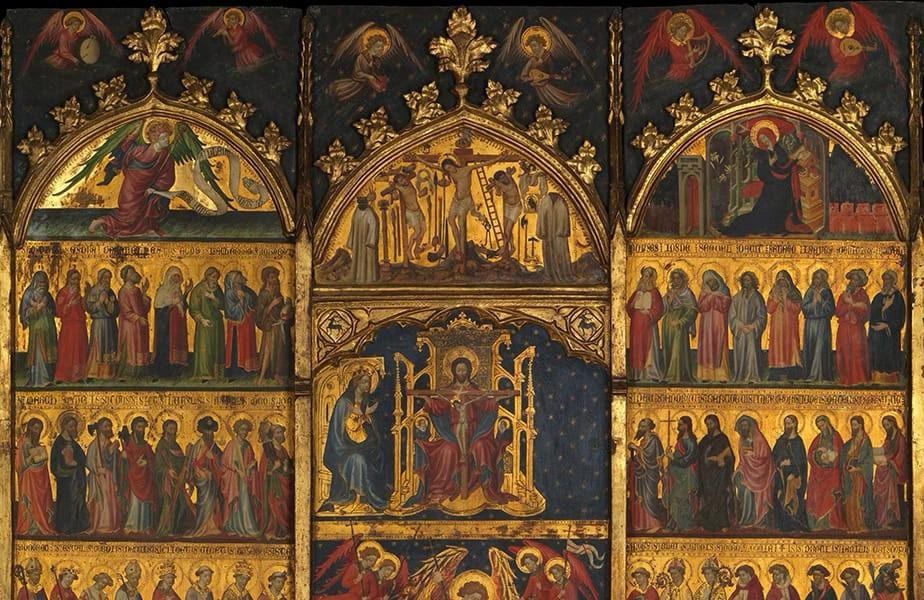
The Catholic Church invites us each November to pause and reflect upon one of the most profound mysteries of our Christian faith: our communion with those who have gone before us and our ultimate calling to eternal life with God.
November 1 marks All Saints’ Day, a solemnity celebrating all the saints in heaven, both those officially canonized by the Church and the countless holy men and women whose names may never be known to us. November 2 is All Souls’ Day, when we remember and pray for all the faithful departed, particularly those undergoing purification in purgatory as they prepare for the fullness of the Beatific Vision.
Together, these two celebrations remind us that our earthly journey is not the end of our story. We are created for something greater: eternal communion with our loving God.
All Saints: Our Universal Call to Holiness
What does it mean to be a saint?
The Church reminds us that all Christians are called to holiness. Through Baptism, we become members of the Body of Christ and are invited to live out our Christian vocation with faith, hope, and charity.
Saints are not simply extraordinary figures from distant centuries. They are men and women who responded generously to God’s grace, embraced the Gospel, practiced heroic virtue, served others, and, in some cases, gave their lives for the faith.
As the Second Vatican Council reminds us in Lumen Gentium, the universal call to holiness belongs to every member of the Church, regardless of vocation or state in life.
Our journey toward sainthood begins in the ordinary circumstances of daily living: loving our families, forgiving those who have hurt us, caring for the poor, serving our neighbors, and placing God’s will above our own.
We need not wait for extraordinary opportunities to become holy. Holiness begins with how we respond to God’s grace today.
As St. Catherine of Siena famously reminds us:
“Be who God meant you to be and you will set the world on fire.”
The Vision of the Church Triumphant
The Book of Revelation offers us a beautiful glimpse of the heavenly destination toward which we are called:
Revelation 7:9-12
“After this I had a vision of a great multitude, which no one could count, from every nation, race, people, and tongue. They stood before the throne and before the Lamb, wearing white robes and holding palm branches in their hands.”
What a magnificent vision! Heaven is not an exclusive gathering of a select few, but the fulfillment of God’s invitation to humanity.
The saints remind us that holiness is possible. They show us different paths toward the same destination: union with God.
Whether we look to St. Francis of Assisi, St. Thérèse of Lisieux, St. Augustine, St. Teresa of Calcutta, or the countless lesser-known saints, their lives demonstrate that God’s grace can transform ordinary human beings into extraordinary witnesses of faith.
All Saints’ Day is therefore not merely a day to admire the saints. It is an invitation to imitate them.
All Souls: Remembering Those Who Have Gone Before Us
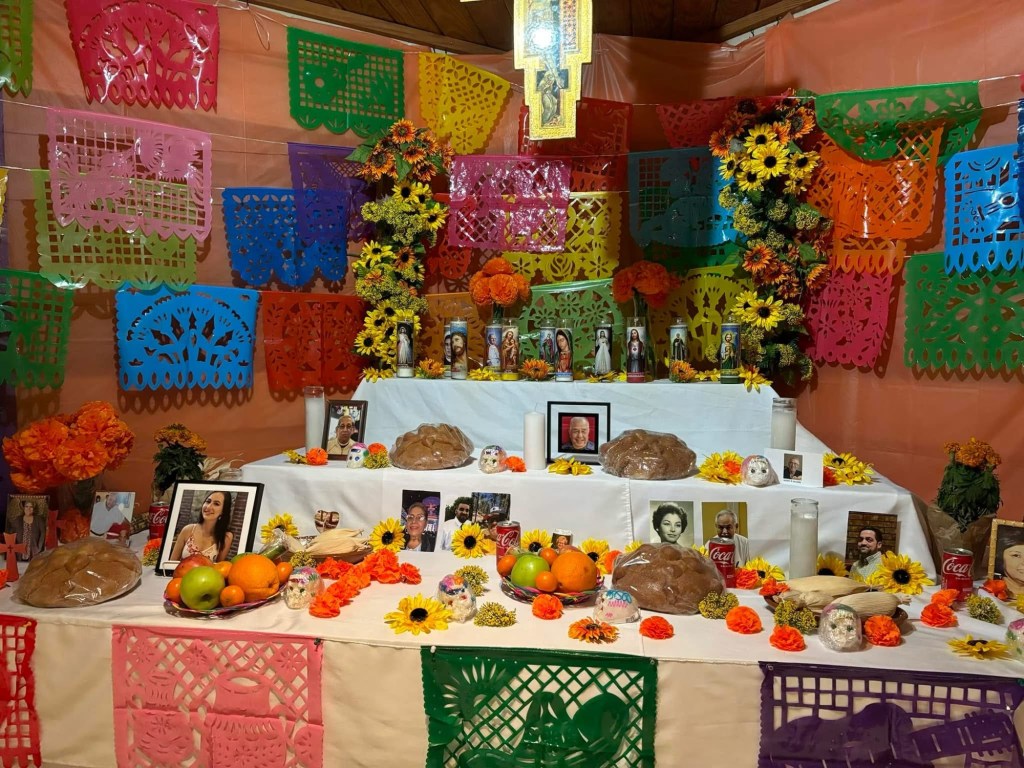
On November 2, the Church turns our attention to the faithful departed.
All Souls’ Day is a particularly meaningful reminder that death does not sever the bonds of Christian love. Through the Communion of Saints, we remain united in Christ with the Church Militant on earth, the Church Suffering undergoing purification, and the Church Triumphant already rejoicing in heaven.
Our Catholic faith teaches that purgatory is a state of purification for those who die in God’s grace and friendship but still require purification before entering the fullness of heavenly glory.
This is why we pray for the souls of the faithful departed. Our prayers, sacrifices, and especially the offering of the Holy Sacrifice of the Mass express our love and solidarity with those who have gone before us.
We remember our parents, grandparents, relatives, friends, and all those whose lives touched ours. We also remember those who may have no one left to pray for them.
Let us never underestimate the spiritual significance of praying for the dead.
As we recall those who have passed away, we are also reminded of our own mortality and the importance of living each day with purpose and faith.
Memento Mori: Remember That You Must Die
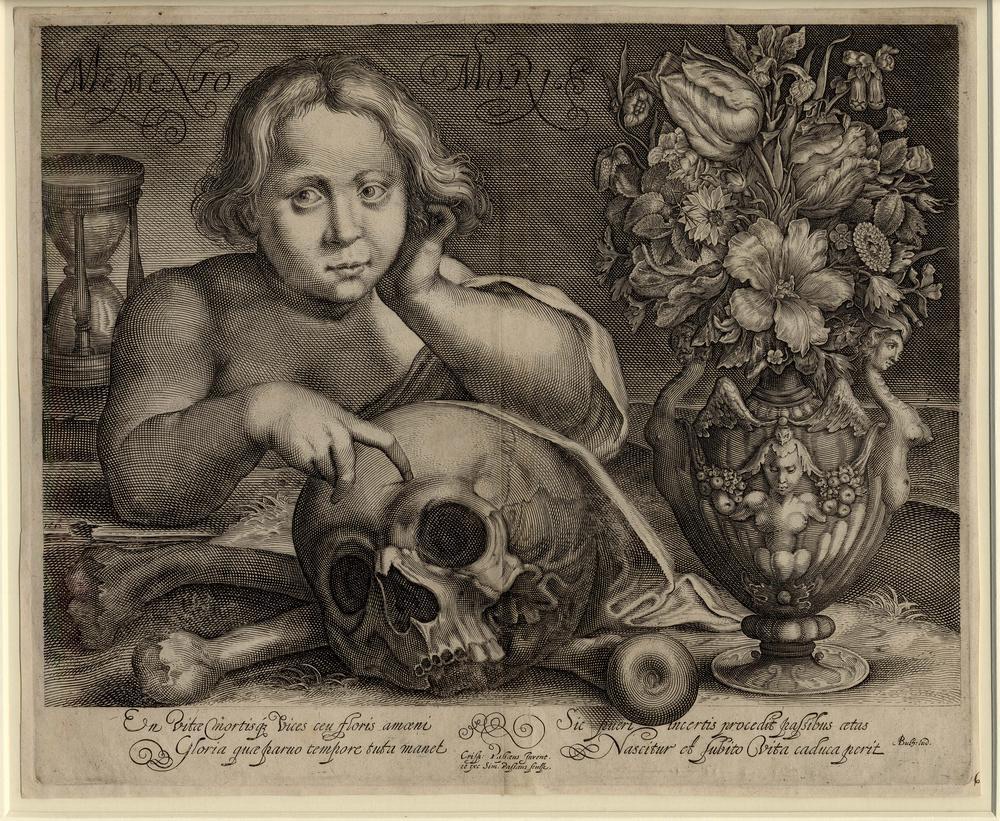
Memento Mori by Simon de Passe, 1595–1647
The ancient Christian reflection Memento Mori reminds us of an important truth: remember that you must die.
Our earthly lives are temporary. Time is a gift, and how we choose to use it matters.
Psalm 90:12 offers this prayer:
“Teach us to number our days aright, that we may gain wisdom of heart.”
The Church invites us to contemplate the Four Last Things: Death, Judgment, Heaven, and Hell.
These are not meant to leave us paralyzed by fear. Rather, they remind us that our decisions, relationships, and actions have eternal significance.
Are we living lives rooted in love? Are we forgiving others? Are we responding to God’s grace? Are we making room for prayer, charity, and the needs of those around us?
One day, we will stand before our Lord. May we strive to hear those beautiful words from Matthew 25:23:
“Well done, my good and faithful servant.”
The Communion of Saints: We Are Never Alone
Perhaps one of the most beautiful teachings of Catholicism is the Communion of Saints.
We are not isolated individuals making our way through life. We belong to a spiritual family that extends beyond the boundaries of earthly existence.
The saints in heaven intercede for us. We, as members of the Church on earth, pray for one another and for the faithful departed.
This communion reminds us that love does not end at death. Our hope rests in Jesus Christ, who conquered sin and death through His Passion, Death, and Resurrection.
As we celebrate these November feast days, let us consider how we can strengthen this communion through prayer, participation in the sacraments, acts of charity, and remembrance of those who have gone before us.
A Call to Live as Saints
As we move from All Saints’ Day to All Souls’ Day, let us reflect upon two interconnected responsibilities.
First, we must embrace our baptismal call to become saints. Second, we must remember and pray for those who have departed this earthly life.
Perhaps we can begin with something simple:
- Attend Mass on All Saints’ Day and remember the holy men and women who inspire our faith.
- Visit a cemetery and pray for our deceased loved ones.
- Offer a Rosary or the Divine Mercy Chaplet for the faithful departed.
- Have a Mass offered for someone who has passed away.
- Teach our children about the saints and the importance of praying for the dead.
- Perform an act of charity in memory of someone we love.
Our Christian journey is ultimately about learning to love as Christ loves us.
The saints show us what that love can become. The faithful departed remind us of our responsibility to pray and remain united in Christ. And Jesus gives us the hope that death is not the final word.
As we remember the saints and pray for the souls of the faithful departed, may we continually ask ourselves:
Are we living in a manner worthy of our heavenly calling?
May we strive to become saints in our own time, with the grace God provides, and may we never forget those who have gone before us marked with the sign of faith.
Let us also remember the words of the familiar hymn, When the Saints Go Marching In. When that day comes, will we wish to be in that number?
May the souls of all the faithful departed, through the mercy of God, rest in peace.

