“Then repay to Caesar what belongs to Caesar and to God what belongs to God.” (Matthew 22:21, NABRE)
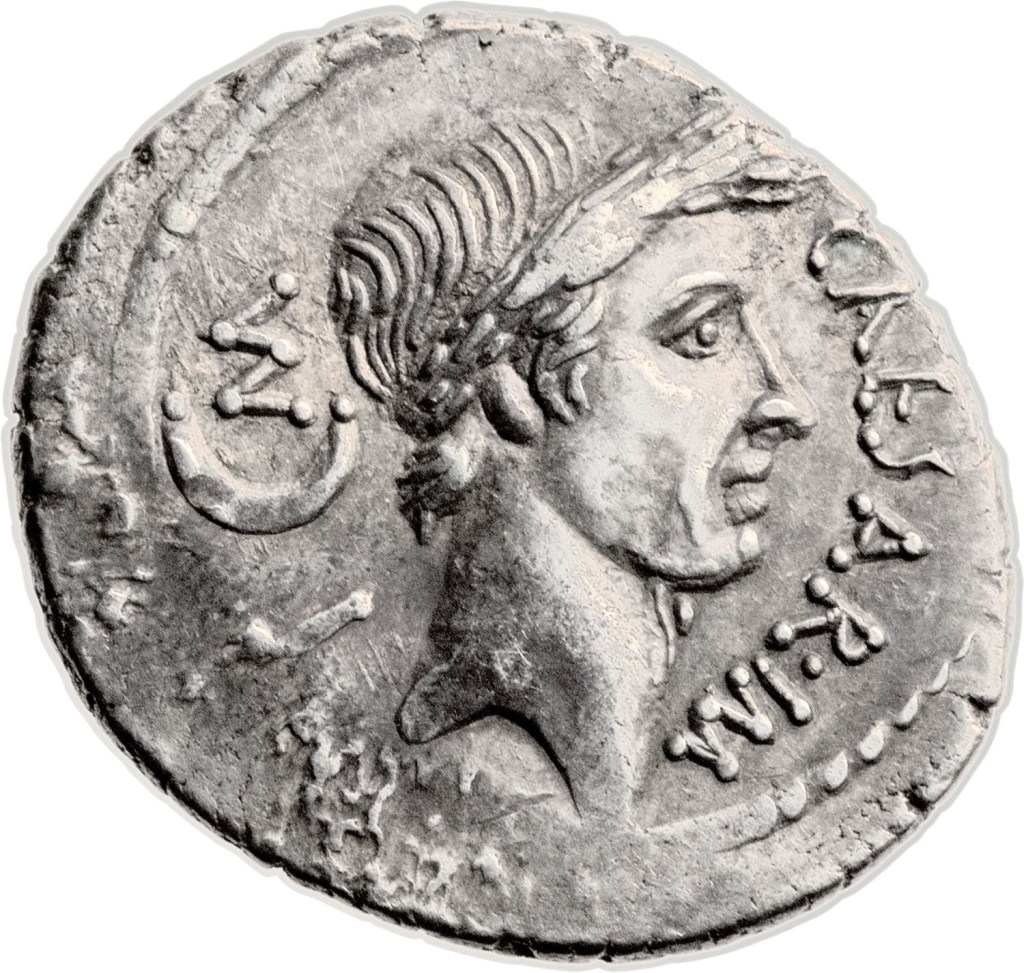
This 29th Sunday in ordinary time from the cycle A readings provides us a glimpse into how we as Catholics should live in the world, but not of the world. In Matthew’s Gospel, the Pharisees attempt to trap Jesus with a question about paying taxes to Caesar. Rather than entering a political debate, Jesus asks whose image appears on a Roman coin. When they answer Caesar’s, He reminds them to give Caesar what belongs to Caesar and God what belongs to God.
But what truly belongs to God?
The coin bears Caesar’s image, yet every human person bears the image and likeness of God (Genesis 1:27). While earthly governments may claim our taxes and require obedience to just laws, our conscience, dignity, and soul ultimately belong to our Creator.
As Catholics, we have a moral responsibility to participate in civic life, respect legitimate authority, and promote the common good. However, our allegiance to government must never outweigh our obedience to God. The Catechism reminds us that we must not obey civil authorities when their demands contradict the moral order (CCC 2242).
In today’s politically divided society, we sometimes allow parties, personalities, and ideologies to shape our convictions more than the Gospel itself. Yet Christ did not come to establish an earthly political kingdom but to redeem us out of love for all regardless of partisanship. The deeper question is not what we owe Caesar, but what we have withheld from God. We devote countless hours to worldly concerns while neglecting prayer, charity, forgiveness, and our relationship with Him.
Are we allowing our faith to guide our political convictions, or are we allowing politics to define our faith?
Saint Paul reminds us that our citizenship is in heaven (Philippians 3:20). We must therefore fulfill our earthly responsibilities without forgetting our eternal destination.

