When we sin and fall from God’s grace, shame and vulnerability often follow. Like our first parents in Adam & Eve, we can begin to see ourselves as independent & self-sufficient. We forget that everything we are and have originates from God. Pride distorts our vision, tempting us to believe we stand alongside God’s grace as equals rather than living in complete dependence upon it. Compare this to the image of the vine to John’s gospel where God is the vine (source of our being) & we are the branches (Jn. 25:5). We cannot bear fruit without the source.
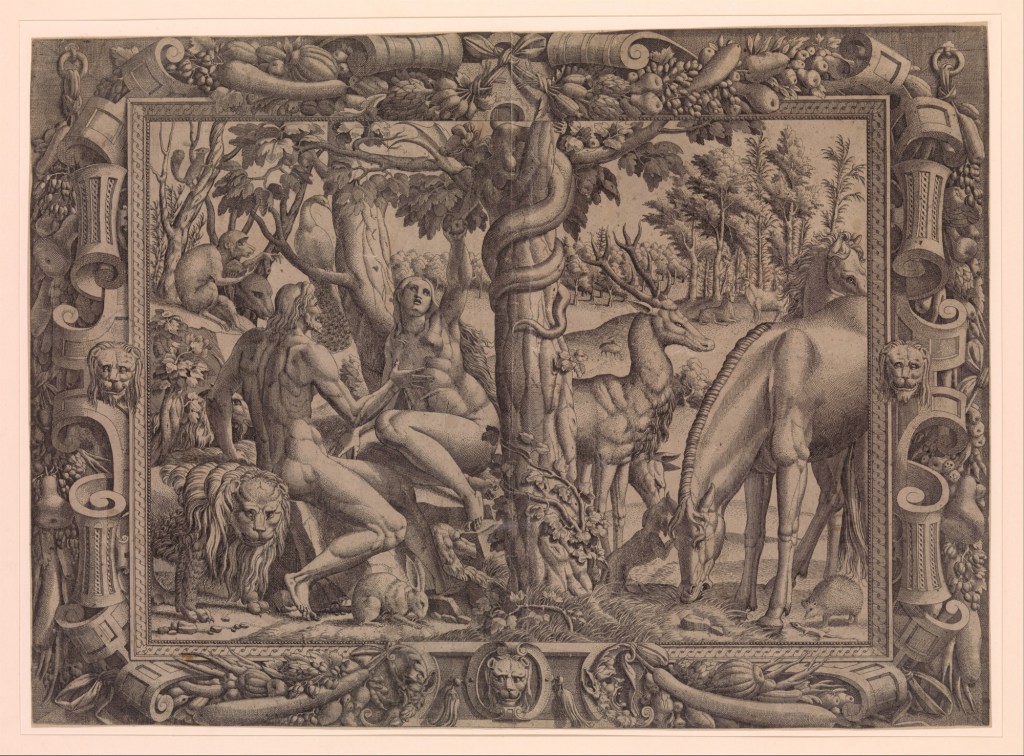
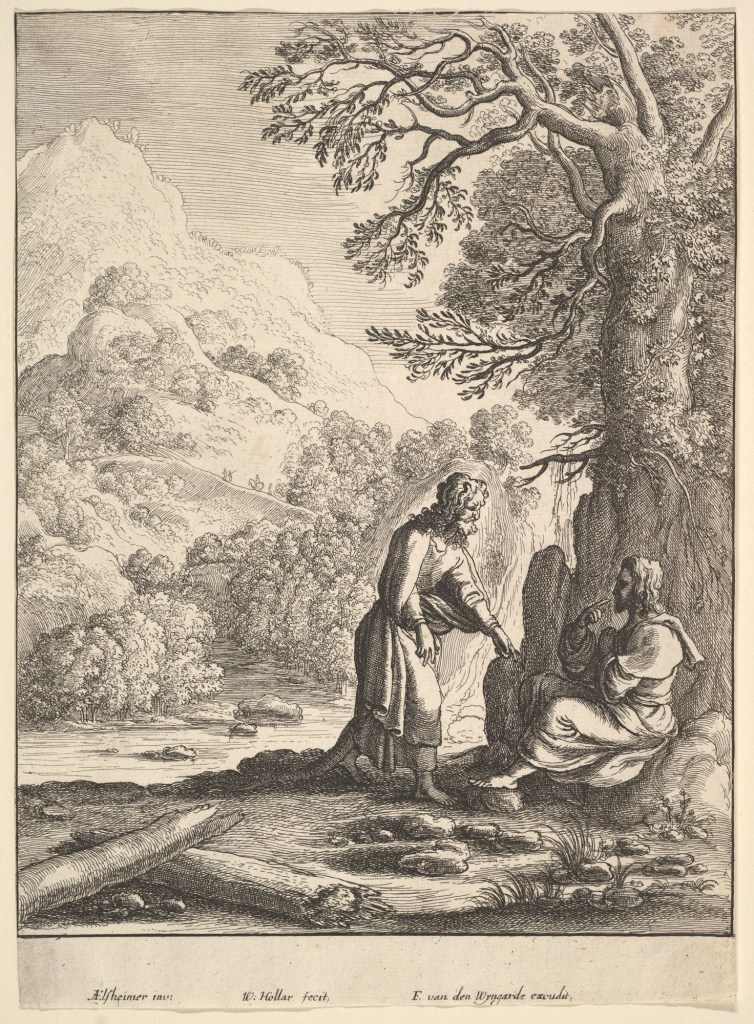
In the first reading from Genesis 2–3, Adam and Eve live in full communion with God. They are given every good gift, including the tree of life, with one mandate: they are not to eat from the tree of the knowledge of good and evil (Genesis 2:16–17). The serpent deceives them, suggesting that God is withholding something good and that they can “be like gods” (Genesis 3:5). When they eat the forbidden fruit, “the eyes of both were opened, and they knew that they were naked” (Genesis 3:7). Their nakedness symbolizes more than physical exposure; it reveals a spiritual vulnerability with the loss of original holiness. The vine has been severed and cut as the trust between humanity and God has been broken.
The Catechism reminds us that through original sin our human nature was wounded and our image, though not destroyed, was distorted by concupiscence and an inclination toward sin. It is like looking into a cracked mirror. The reflection is still ours, but it is fractured and impaired. Sin leaves us spiritually exposed, no longer fully reflecting the divine likeness in which we were created. Through the sin of Adam and Eve, humanity lost original holiness and justice and our friendship with God was broken (CCC 396–400).
Yet this is not the end of the story. In the waters of Baptism and through the gift of the Holy Spirit, we are cleansed of original sin and restored to divine life. We are made adopted sons and daughters, drawn into the loving communion of the Most Holy Trinity (CCC 1262–1266).
The Gospel account of Jesus’ temptation in the desert today found in Matthew’s gospel (4:1–11) presents a striking contrast. Led by the Spirit, Jesus fasts for forty days. The number forty recalls the forty days of the flood in the time of Noah (Gen. 7:17), a period of purification that led to covenant renewal, and Israel’s forty years in the wilderness. Where Adam failed in a garden of abundance, Christ triumphs in a desert of deprivation and desolation.
Jesus, the “new Adam” (Rom 5:12–19) resists the tempter by entrusting Himself completely to the Father. He declares, “You shall not put the Lord your God to the test” (Deuteronomy 6:16; Matthew 4:7). In Him, we see perfect & filial obedience. This filial obedience was lost with Adam & Eve. The second reading from Paul’s epistle reminds us that Christ’s temptation restores Adam & Eve’s broken nature for God remains faithful throughout the course of salvation history
This first week of Lent and the forty days that follow call us to fortitude and perseverance. We do not walk into the desert alone. Just as angels ministered to Christ (Matthew 4:11), God sends His holy angels to guard and guide us (cf. Psalm 91:11). We can confidently seek the intercession of our guardian angel, trusting that God desires our restoration, our holiness, and our joy.
Lent reveals our nakedness not to leave us in shame. It reveals our need so that we may be clothed once more in grace. We are no longer looking into a broken mirror. The reflection of God’s light and salvation through that prism reflects our true nature, a nature longing and waiting for our friend, God the Father.
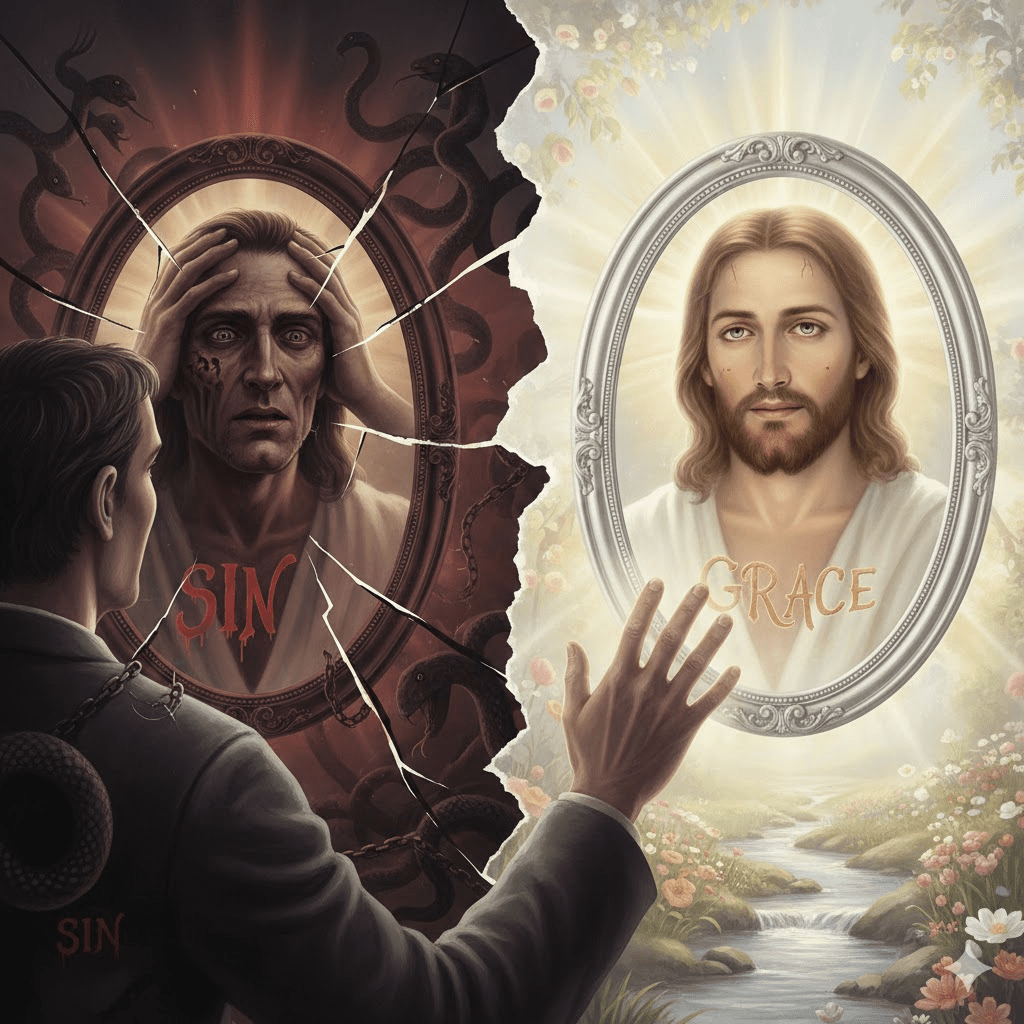
As we reflect on our fallen nature and our need for grace, the tradition of the Church invites us to examine our hearts through the lens of the seven deadly sins. These capital vices distort the image of God within us. If sin is like a cracked mirror, each of these vices represents another fracture across the surface of the glass. The image is still there, but it is splintered, warped, and unable to reflect clearly the divine likeness in which we were created.
- Pride cracks the mirror at its center, placing the self where God alone belongs. It is healed by humility, which restores proper perspective and dependence on God.
- Greed (avarice) clouds the mirror with possessiveness, fearing loss rather than trusting providence. It is healed by generosity, which clears the glass through self-giving love.
- Lust distorts the mirror by reducing others to objects rather than persons made in God’s image. It is healed by chastity, which restores reverence and purity of heart.
- Envy scratches the mirror with comparison and resentment. It is healed by charity, which rejoices in the good of others.
- Gluttony dulls the mirror through excess and lack of self-restraint. It is healed by temperance, which brings balance and clarity.
- Wrath shatters the mirror with anger and vengeance. It is healed by patience, which reflects God’s mercy.
- Sloth (acedia) allows dust to gather over the mirror, neglecting the call to love and holiness. It is healed by diligence, which responds faithfully to grace.
Lent invites us to look honestly into this cracked mirror. We may see distortion, weakness, and fracture, but we also see the enduring imprint of God’s image. Through prayer, fasting, almsgiving, and the Sacrament of Reconciliation, grace does not merely cover the cracks. It begins to mend them. As we cooperate with God’s grace, the mirror becomes clearer, and the radiant image of Christ within us shines forth once again. Once more, with the breaking of the bread & the receiving of the true manna come down from heaven with our Eucharistic banquet and reception of Jesus’s Body & Blood, soul & divinity, restores this broken image once more as we go back once more on our desert pilgrimage, waiting for the hope of the Easter & paschal mystery.
 StreetEvangelist
This is really good. I have been struck by Paul’s statement in 1 Corinthians – that we see in a mirror dimly (but then we shall see face to face). We see Jesus in a mirror warped by our own image. The more we conform to God by the renewing of our minds in obedience to God’s command, the more we see accurately as we peer through the mirror/prism/filter of ourselves.
LikeLiked by 1 person
A great image to add to the set of readings. There was a lot to unpack & the Holy Spirit’s guidance was at work with this reflection. In Christ, Eric
LikeLiked by 1 person
Awesome & Articulate critique of the Bible and our Fall with Original Sin. I always think the Book of Jude is the climax before the Apocalypse of St. John . When I hear people say they don’t want to hear Hell and Brimstone at church, I think this “sin and forget it” is not doing us any favors. There is condemnation and that’s THE TEST.
LikeLike
Two good movies about CONSCIENCE : “HOW TO MAKE A KILLING” (2026 and out at theaters now) and “CRIME 101” (out now too!)
LikeLike